

How Big Storm reduced owner dependence and built a stronger leadership team
Drew Schug elevated key team members, clarified accountability, and shifted more day-to-day decisions away from himself—reducing burnout risk while strengthening the business for the future.

When Growth Started to Feel Heavy
When Big Storm founder Drew Schug looked at his agency five years ago, things were working—but not sustainably.
He was juggling client work, team leadership, sales, and day-to-day operations. Growth had brought opportunity, but also pressure. “I was still holding onto too much instead of delegating,” he said. “That created a lot of mental and emotional strain.”
Like many agency owners at this stage, Drew found himself stuck in the middle—no longer a freelancer, but not yet running a fully self-sustaining business. The weight was starting to show.
“I realized I could not keep doing it that way. Something had to change if I wanted the business to grow in a healthy way.”
His biggest concern wasn’t just growth—it was sustainability.
“My biggest fear was that if nothing changed, I would completely burn out… and potentially lose the company.”
Choosing the Right Guide
Drew wasn’t looking for theory—he needed someone who could help him make sense of what was happening inside his business and turn it into action.
What stood out about working with Karl Sakas was the combination of practical advice and accountability. Drew noted:
“Karl was not just offering theory. He gave concrete advice, helped me think through real business challenges, and held me accountable for the things I said I wanted to do.”
More than anything, Drew wanted a sounding board—someone who understood agency dynamics and could help him move forward with clarity.
“I was hoping for a mentor and coach who could hear what was really going on, help me make sense of it, and turn it into an actionable plan. Karl absolutely did that.”
Over time, their work addressed many of the same areas covered in today’s Agency Value Audit—focusing on leadership, delegation, pricing, and reducing owner dependency—plus the ongoing cadence of Executive Advisory.
From Doing Everything to Building a Leadership Team
One of the biggest shifts came from rethinking how the agency was structured—and who owned what.
Drew began elevating key team members into leadership roles, including a Director of Client Success and a Director of Humans. He clarified responsibilities, improved accountability, and became more intentional about hiring and process documentation.
“We became more intentional about defining roles, responsibilities, and accountability,” he said.
As the leadership team grew stronger, the business started to run differently. Drew said:
“Once I had the right people in the right seats, decisions became much easier. I was able to let go of more of the day-to-day work, trust others to own their areas, and spend more time focused on sales, growth, and the future of the business.”
This wasn’t about stepping away completely—it was about building a business that didn’t rely on him for everything.
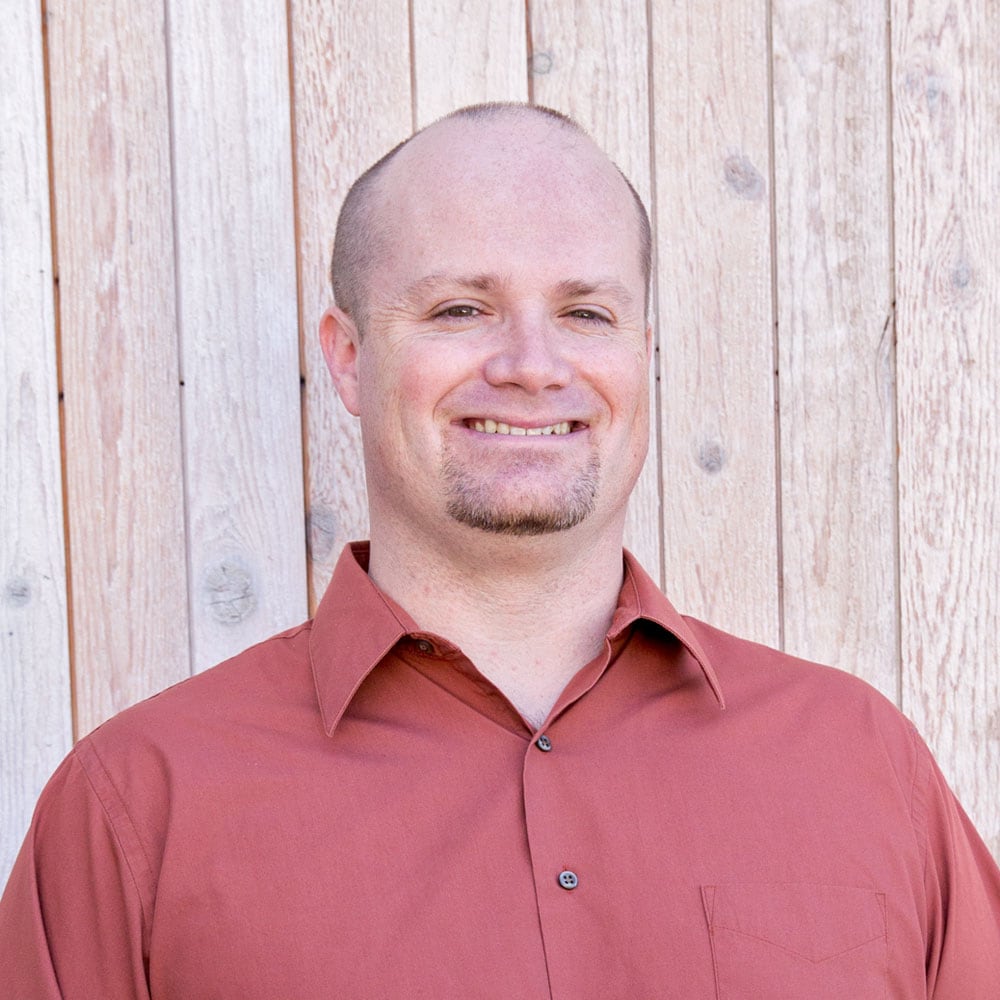
“I’m not the trumpet player anymore. I’m more like the orchestra conductor.”
—Drew Schug, Principal, Big Storm
Changing How the Owner Shows Up
As the organization evolved, so did Drew’s role. In 2021, he was deeply involved in client delivery. Today, his focus is very different.
“I am no longer doing regular client work except in the occasional overflow situation,” he said.
Instead, his time is spent on vision, sales, financial planning, and leadership—areas that drive long-term growth and stability.
That shift didn’t happen overnight. It required building trust in his team and consistently letting go of work he used to own.
“I’ve worked hard to lean on my team more, give them the training they need, and trust them to execute.”
The difference shows up clearly in how he describes his role today:
“I’m not the trumpet player anymore. I’m more like the orchestra conductor.”
What This Made Possible
As Drew stepped out of day-to-day delivery, the impact extended beyond the business.
His stress levels dropped. His mental load became more manageable. And for the first time in years, he could truly disconnect.
“My stress level and mental load have changed dramatically,” he said.
One moment stands out.
“I took a three-week trip to Spain and was only minimally involved in the business. That would not have been possible before.”
Previously, even time off meant staying connected—checking emails, handling issues, and never fully stepping away.
Now, the business continues to operate without constant oversight.
“I still have an important role, but I’m no longer trying to fill every role.”
Building a Stronger, More Valuable Business
The changes inside the business translated into meaningful improvements.
Revenue and profitability increased. Pricing improved. Client relationships became healthier, with a stronger focus on right-fit clients. Compared to before he hired Karl, Drew observed:
“The business is definitely more valuable. Revenue has increased, profitability has increased, and our pricing has improved.”
At the same time, the team became more capable and resilient. “I now have two other leaders I can trust, confide in, and share the load with.”
Client retention improved as well—not by keeping every client, but by focusing on the right ones.
“We are doing a better job keeping the right-fit clients and letting go of the wrong-fit ones,” Drew said.
The result is a business that’s not only growing—but operating in a healthier, more sustainable way.
A Different Path Forward
Looking back, Drew sees the work as a turning point—not just for the business, but for himself as a leader.
Karl’s role combined perspective, pattern recognition, and accountability. Drew said:
“Karl was a good listener, almost like a therapist at times. But he also brought a lot of wisdom… he could often read the tea leaves and help me see what was coming before I fully saw it myself.”
That outside perspective helped Drew avoid a path he sees many agency owners take. He observed:
“If I had not made these changes, I think I would have burned out badly. I may have even reduced the size of the agency significantly just to survive.”
Instead, he built something stronger: a business that supports his goals—rather than working against them.
His advice to other agency owners is simple:
“There is a better way to run your agency, and getting outside help from someone experienced can make a huge difference.”
And the timing matters more than most people think.
“The right time to bring in help is before things get too painful—not after.”
Build a More Valuable Agency—Without Burning Out
Drew’s story is a reminder that growth itself isn’t the goal.
The real goal is building an agency that:
- Runs without constant owner involvement
- Supports a strong leadership team
- Creates long-term value and flexibility
That kind of clarity doesn’t happen by accident.
If you’re feeling stretched—and know there’s a better way to run your agency—getting the right outside perspective can make all the difference. Learn more about working 1:1 with Karl, and then please get in touch.
This kind of clarity doesn’t happen by accident.
If you’re ready for experienced outside perspective—and want support from someone who’s guided hundreds of agencies through complex, high-leverage decisions—reach out. We open a few new client slots each quarter, and we’ll start with a short conversation to see if it’s the right fit on both sides.